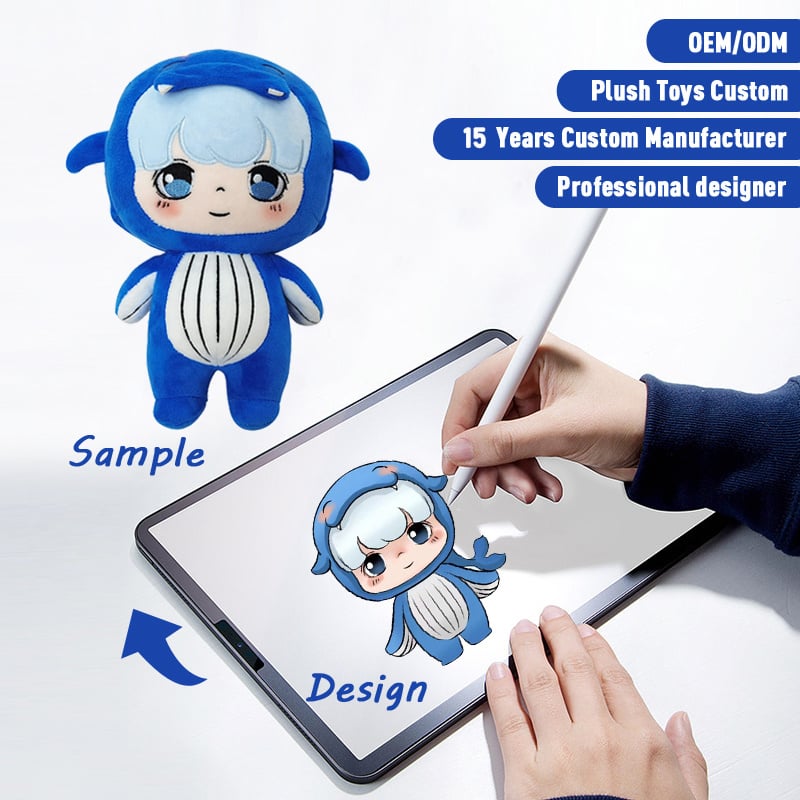
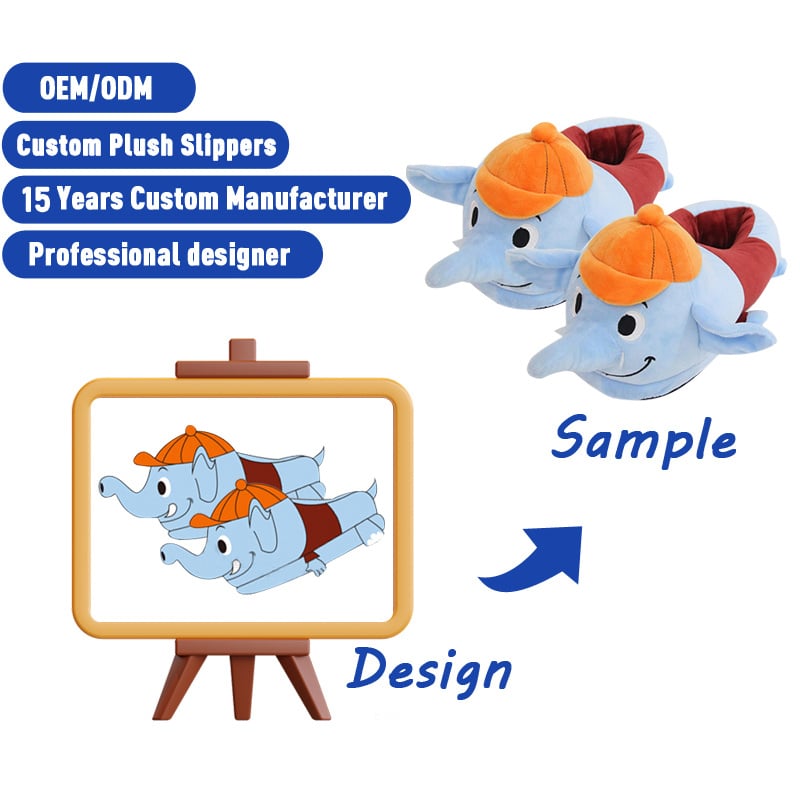
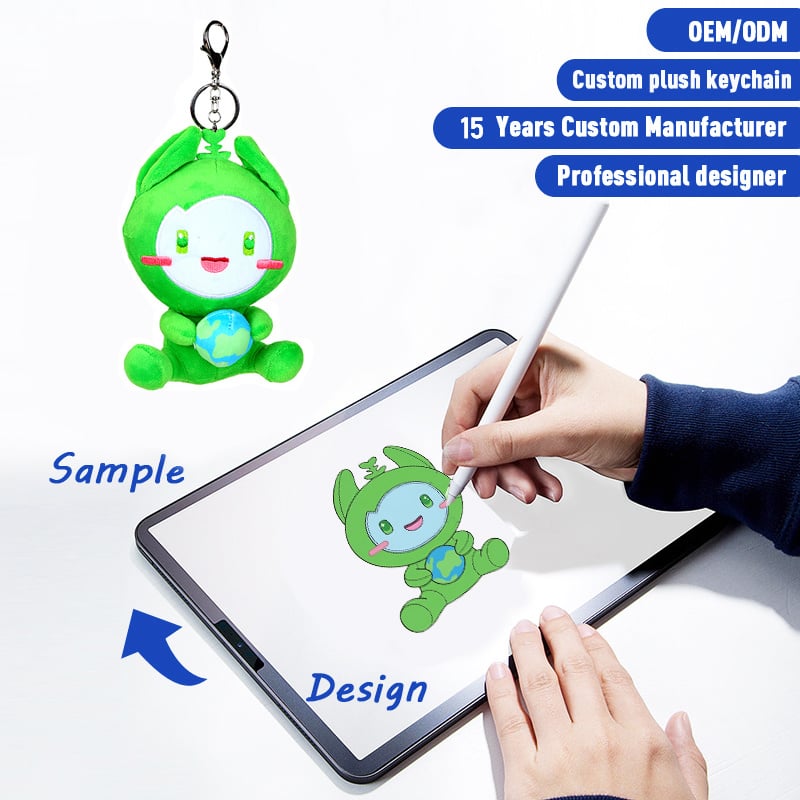
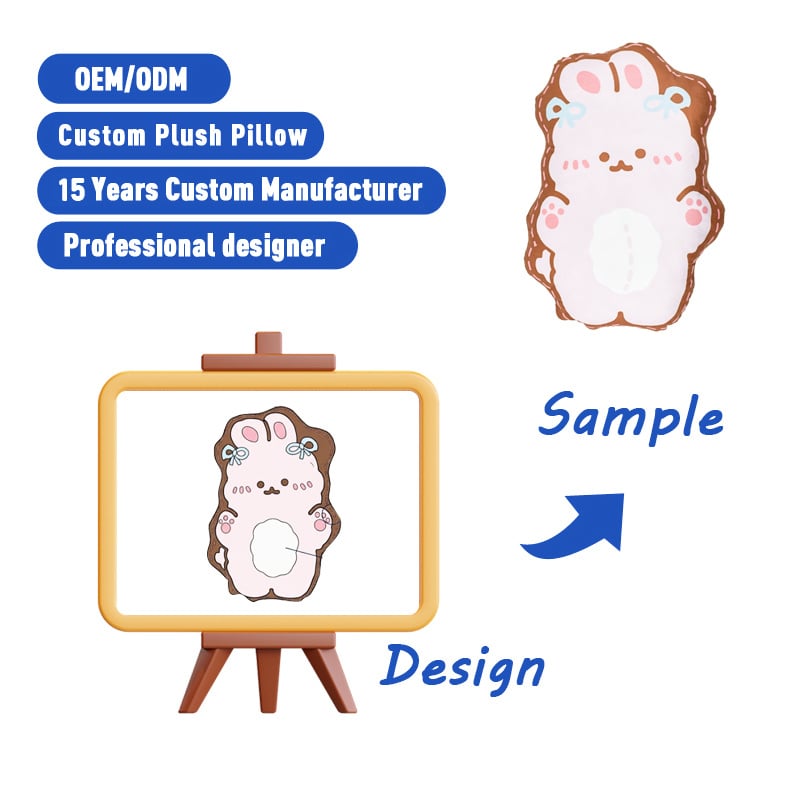
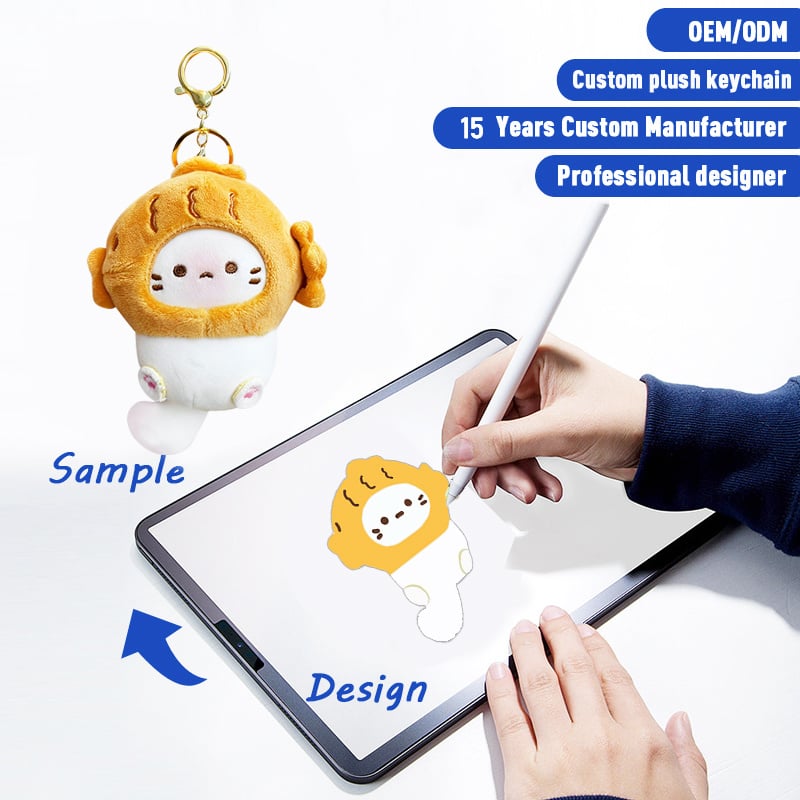
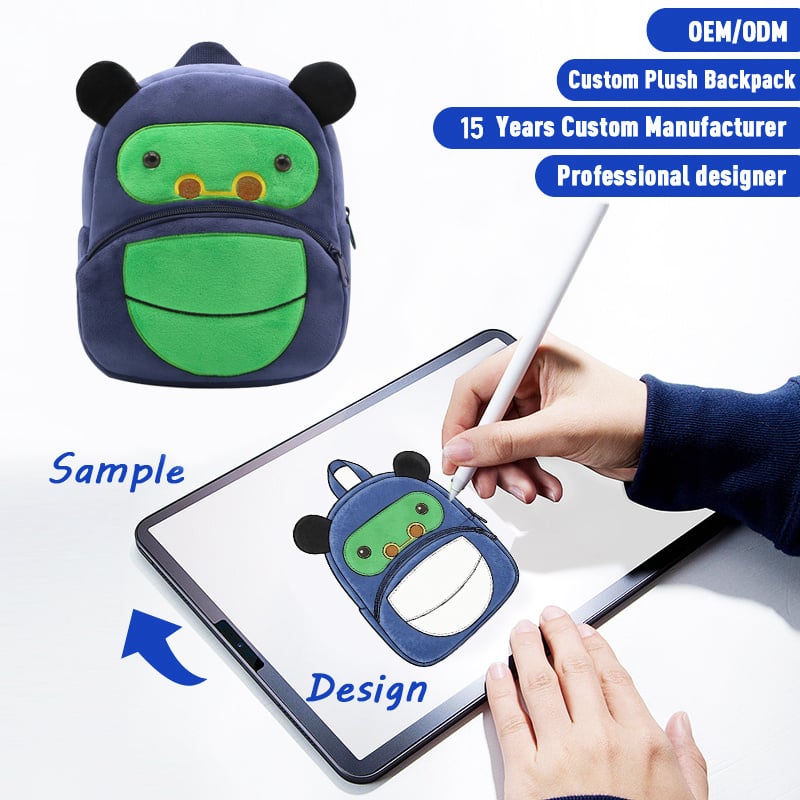
In the custom manufacturing (OEM/ODM) process for plush toys, a professional, precise, and standardized design drawing serves as the bridge between the designer's creativity and actual factory production. To ensure high fidelity during prototyping, minimize communication costs, and guarantee quality and safety in mass production, the design drawing must include detailed specifications across the following nine core areas:
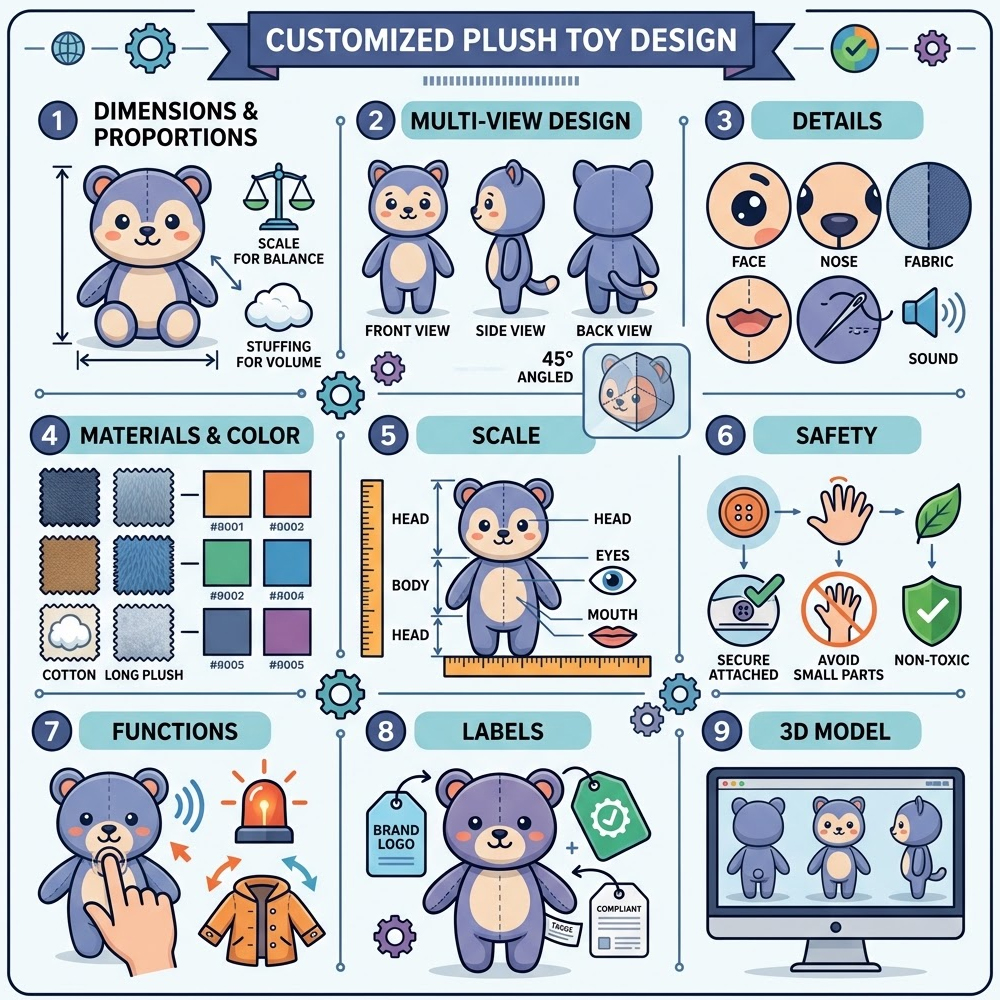
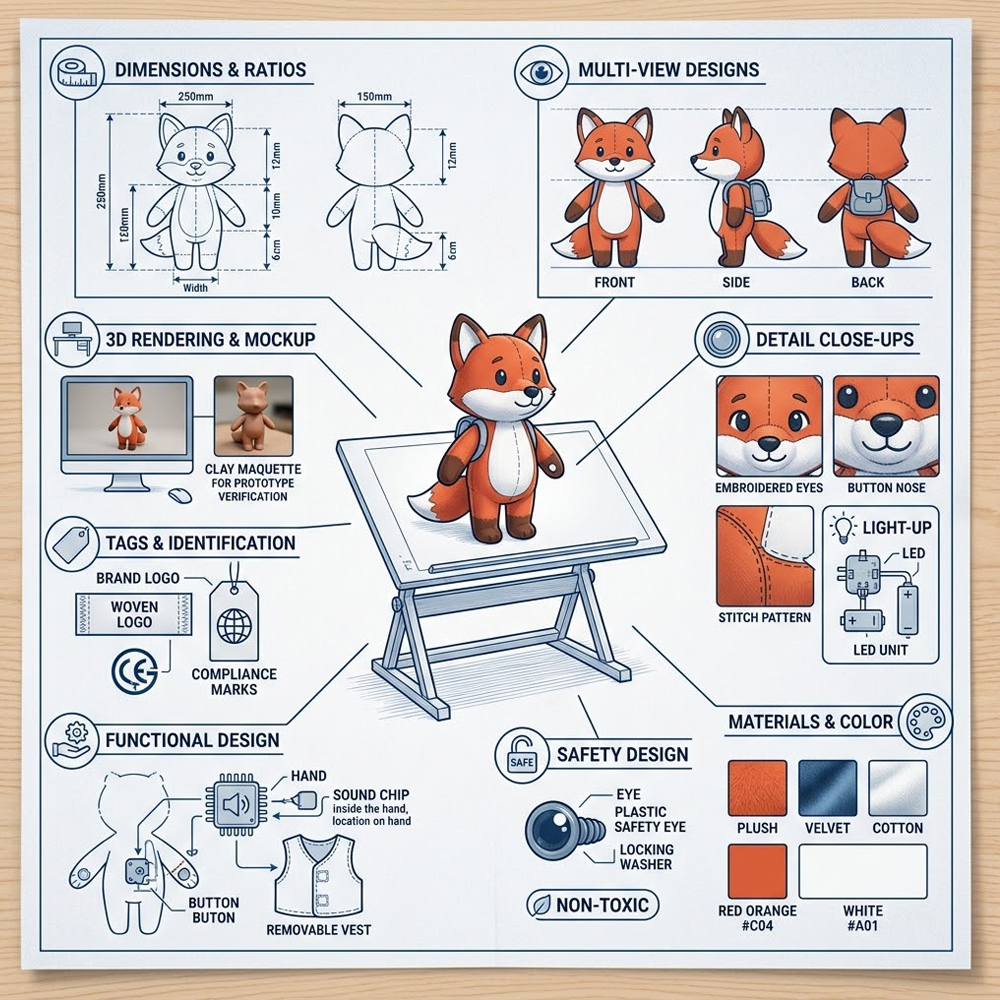
Precise Dimensioning: The drawing must clearly indicate the toy's overall height, width, and thickness, while providing specific numerical values for individual components (e.g., head diameter, torso length, limb dimensions, and the size of ears and tails) to ensure natural, well-proportioned results during production.
Allowance for 3D Filling: Filling a toy (with materials like PP cotton or down-alternative cotton) causes significant 3D expansion, making the finished product appear visually thicker and shorter. Designers must anticipate this deformation and appropriately adjust the initial proportions of the flat pattern pieces.
Front View: Clearly displays the toy's overall silhouette, frontal proportions, and the placement of facial features.
Side View: Accurately presents the profile (side view) of the face, front-to-back thickness, curvature, and the arc of the body.
Back View: Details the back structure, such as seam locations, tail attachment points, and the positioning of hidden zippers or Velcro fasteners.
Supplementary Views: For complex shapes, it is recommended to include a 45-degree perspective view or an internal cross-section to clarify the placement of internal skeletons (e.g., aluminum wire frames or joint mechanisms) and filling materials.
Facial and Pattern Close-ups: Enlarged views showing facial expressions (eyes, nose, mouth, blush, etc.) and body patterns, clearly specifying the manufacturing techniques used (e.g., computerized embroidery, screen printing, heat transfer printing, or leather embossing).
Assembly and Stitching Methods: Specifies the stitching logic and seam requirements for critical areas (e.g., stitching ears into the head seam, attaching limbs to the body, or edge binding on clothing) to ensure structural integrity and pull strength. Functional Components: For items involving electronic sound/light modules, vibration mechanisms, or squeeze-activated sound devices, use dashed lines on the drawing to indicate the component's placement, the structure of the securing pocket, and the opening method for the battery compartment/switch.
Fabric Parameters: Clearly list the required fabric types for each section (e.g., crystal super-soft plush, rabbit-style plush, sherpa/lamb fleece, coral fleece, canvas, etc.) and specify pile height (e.g., 1.5mm, 5mm) and fabric weight (GSM).
Color Codes: Use standard Pantone codes or designated color swatches to specify colors for fabrics and embroidery threads, ensuring color accuracy in multi-colored designs.
Small Parts Tensile Safety: For hard components like plastic eyes, noses, or buttons, specify dimensions and installation methods (e.g., adding safety washers) to ensure compliance with tensile strength standards and prevent accidental ingestion by children.
Eco-friendly and Non-toxic Standards: Clearly state that all fabrics, fillings, printing inks, and accessories must comply with national or international safety testing standards (e.g., GB 6675, EN71, ASTM F963).
Interactive Structure Design: For products with internal armatures, sound devices, or mechanical joints, specify hardware model numbers, installation steps, and protective sleeve materials.
Detachable Accessories: If the product includes separate clothing, hats, or small accessories, provide a separate flat-lay view of the accessory and indicate the attachment method (e.g., buttons, snap fasteners, Velcro, etc.).
Brand Logo: Specify the material and dimensions of woven labels, side tags, or leather patches, as well as their precise sewing location and orientation on the toy.
Compliance Care Labels and Hangtags: Clearly indicate the attachment points for compliance labels (including CE certification, warning statements, material composition, and country of origin) to ensure the finished product meets export and sales standards.
3D Renderings: Create 3D renderings based on 2D drawings to showcase material sheen and spatial depth from multiple angles, helping pattern makers accurately interpret the design. Figure or clay prototypes: For complex, uniquely shaped IP designs, providing 3D modeling files or clay prototypes upfront facilitates the factory's prototyping, mold breakdown, and tactile assessment processes.
Preparing custom specifications in strict accordance with these guidelines enables factory technicians to quickly and accurately grasp the design intent, significantly shortening the prototyping and revision cycle while ensuring high fidelity and quality in the final mass production.
 Hot News
2026-02-03
2025-11-16
2025-08-09
 EN
EN